

Insights from a licensed wildlife conservationist turned gemstone expert.
 Gemology · Tanzanite
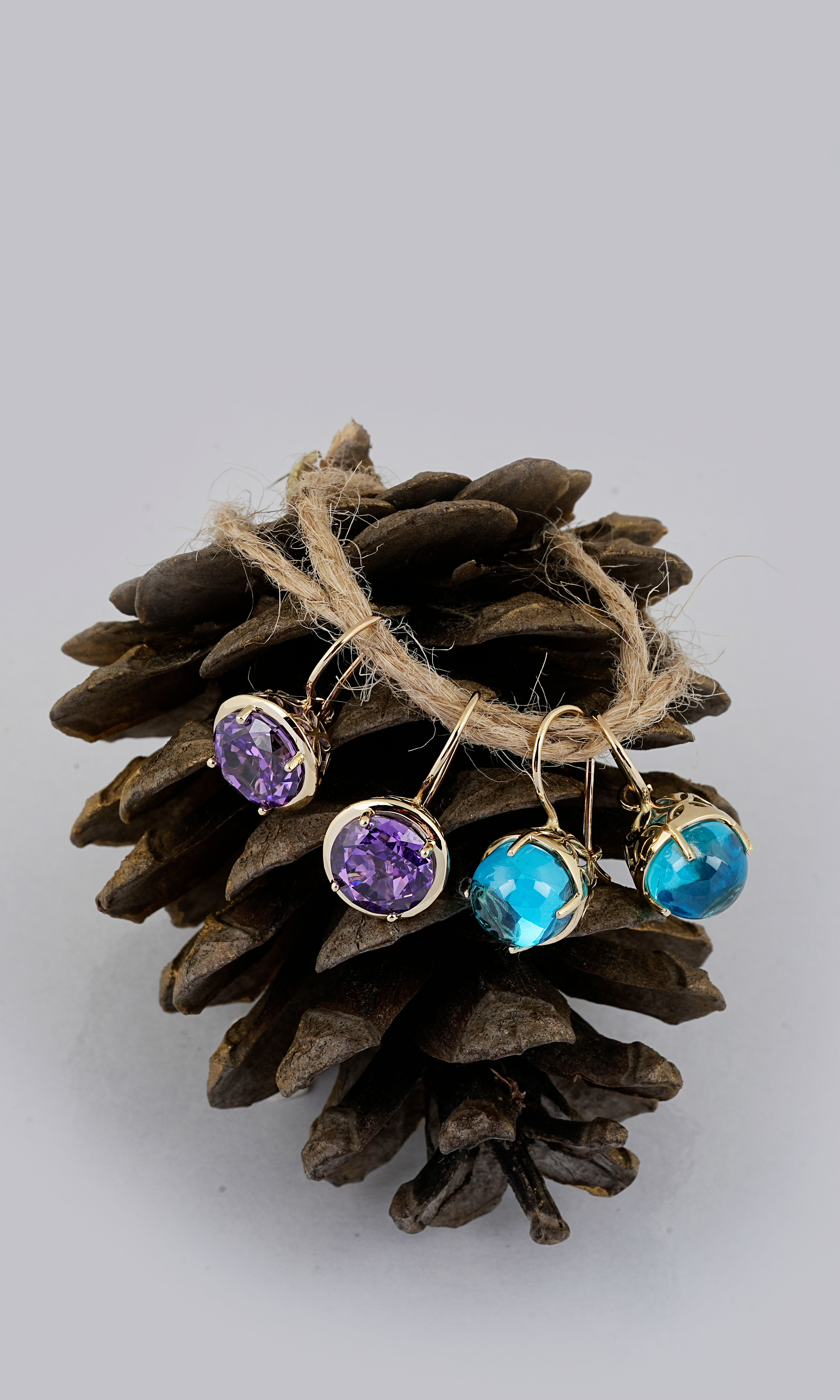
Of all the optical phenomena in the gemstone world, few are as dramatic as pleochroism in Tanzanite. Unlike most coloured gemstones, a single Tanzanite crystal can simultaneously display three distinct colours — deep blue, rich violet, and a warm bronze — depending on the angle from which light enters it.
This occurs because Tanzanite belongs to the orthorhombic crystal system, meaning its internal atomic structure is arranged along three unequal axes. Each axis absorbs and transmits light differently, causing the human eye to perceive entirely different colours when looking at the stone from different orientations.
When a rough Tanzanite crystal is cut and polished, the gem cutter must make a critical decision: which axis to orient face-up? Most commercial Tanzanites are cut to maximise the blue-violet axis — the colour most valued in Western markets. However, some rare stones cut along other axes will display the bronze hue, producing what collectors call "colour-change Tanzanite."
As a wildlife scientist trained in ecological observation, I find pleochroism a striking reminder that perception is never absolute. The same stone, the same moment, can present itself entirely differently depending on perspective — which is, perhaps, what makes Tanzanite not just a gemstone but a philosophical object.
 Buyer's Guide
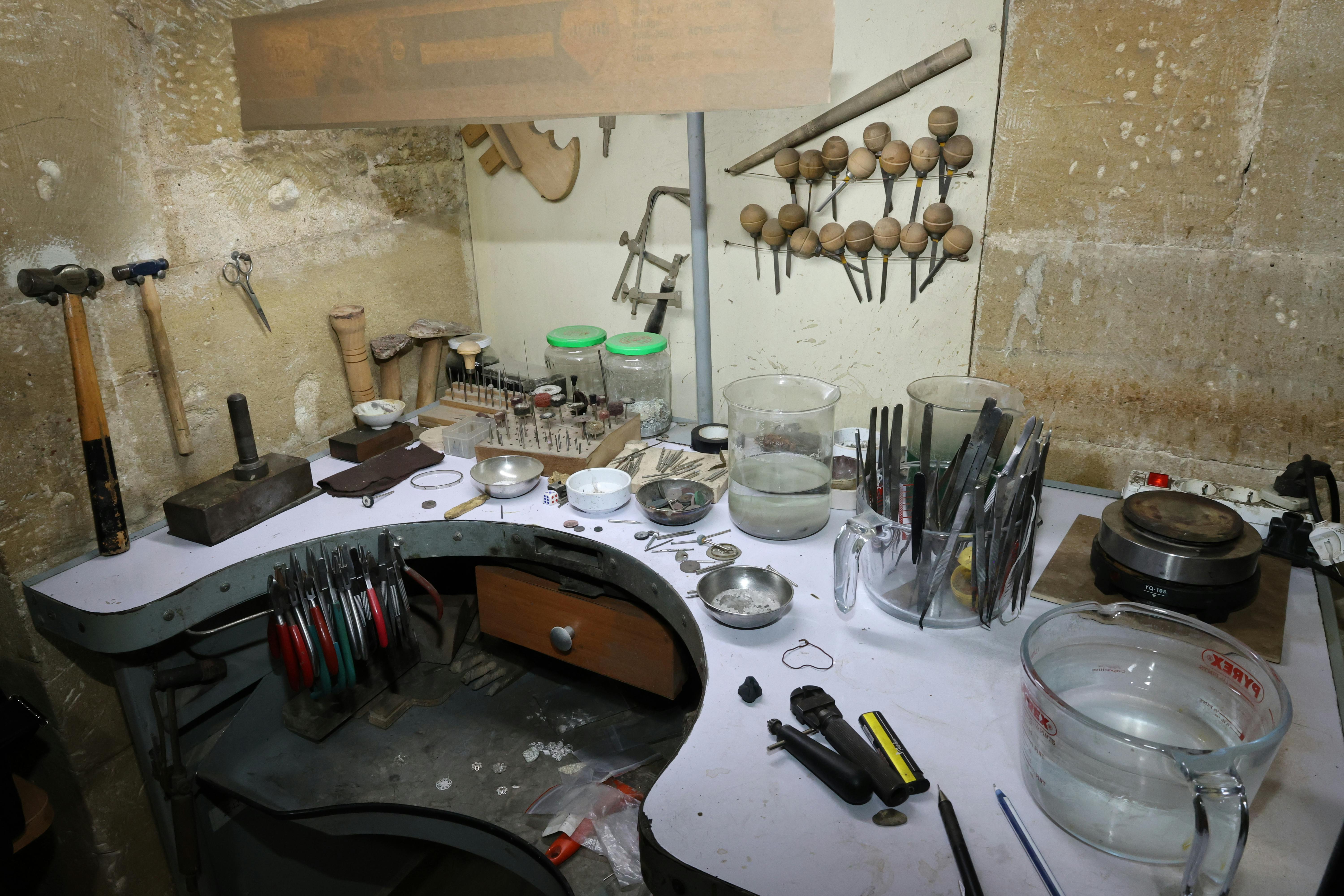
The 4Cs — Colour, Clarity, Cut, and Carat — are the universal language of gemstone grading. But applying them to Tanzanian gems requires a deeper understanding than the standard GIA framework provides.
Colour is king for Tanzanite. The finest stones display an intense velvety blue with a violet secondary hue. Avoid stones that appear too greyish or pale — the depth of saturation is what commands premium prices. For Mahenge Spinel, the target is a neon hot-pink or vivid red with no brown or orange undertone.
Clarity in Tanzanite is typically high — most commercial-grade stones are eye-clean. However, small needle-like inclusions are acceptable if they don't compromise brilliance. Spinel is generally inclusion-free at the fine end of the market.
Cut matters enormously for pleochroic stones like Tanzanite. A well-oriented cut maximises the blue-violet face-up colour and minimises window — that transparent, see-through zone that indicates poor proportions.
Carat weight creates exponential price jumps at key thresholds: 1ct, 3ct, 5ct, and 10ct+ for Tanzanite. Stones above 5 carats with fine colour are exceptionally rare and should be treated as investment-grade assets.
 Ethics & Compliance
The Tucson Tanzanite Protocol, adopted in 2002 and strengthened in subsequent years, was created to ensure that Tanzanite reaching the international market is sourced legally and ethically — free from armed conflict financing and child labour.
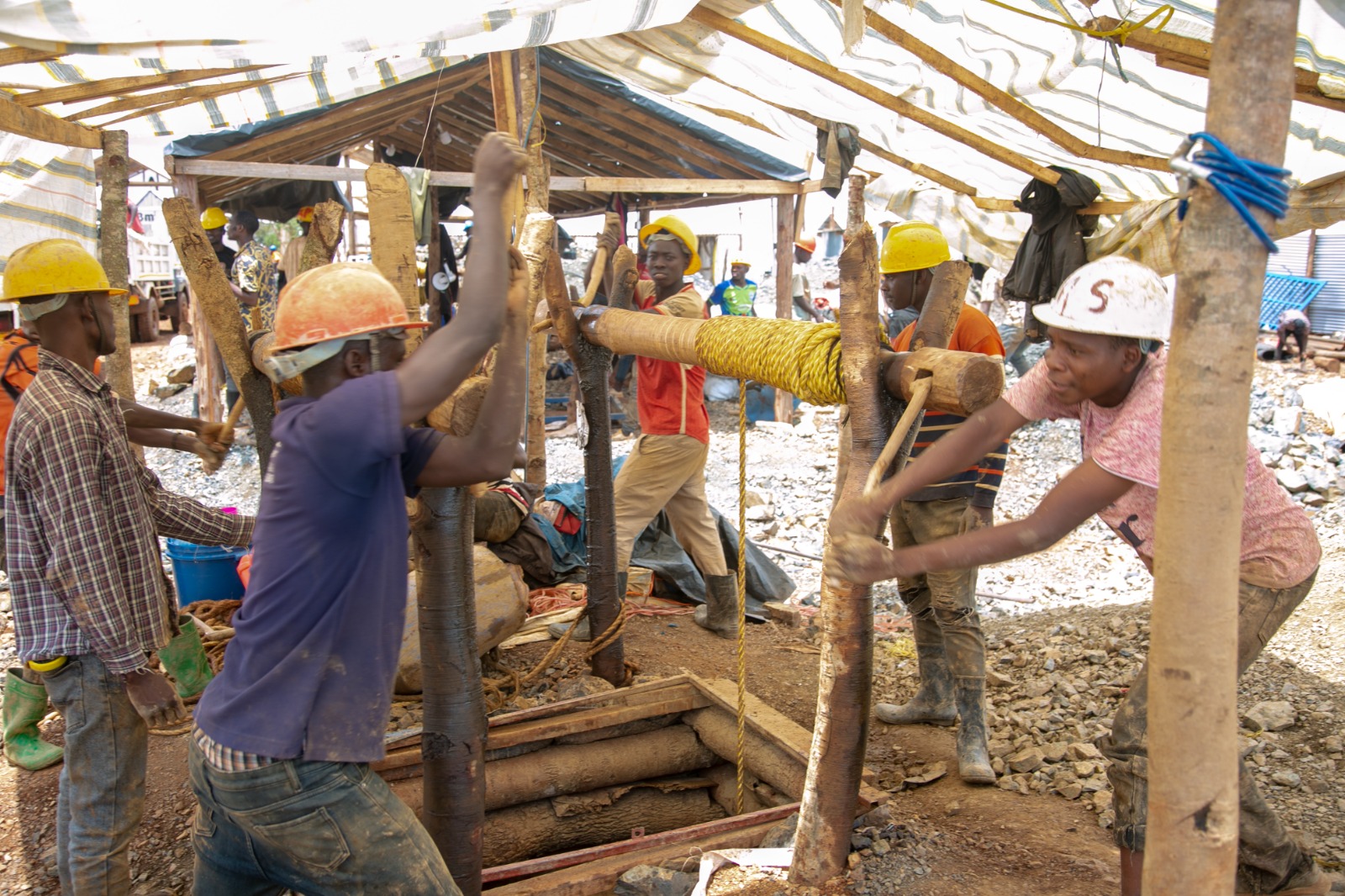
In practice, this means that every Tanzanite parcel exported from Tanzania must carry documentation from the Tanzania Mineral Audit Agency (TMAA) and pass through the government-controlled export process in Arusha. Stones without proper chain of custody are seized at the border.
As someone who operates with direct access to the Arusha gem trading networks, I see this system from the inside. The protocol is not perfect — artisanal miners sometimes struggle with the paperwork burden — but it represents a genuine commitment by the Tanzanian government to formalise the sector and protect both miners and buyers.
For buyers at Luminara Gems, every stone we source comes with documentation confirming its Tanzanian origin and legal export status. Our blockchain provenance system via Sanaa Chains provides an additional immutable layer of verification — meaning the record cannot be altered after the stone leaves our hands.
 Investment · Finance
Tanzanite is one of the rarest gemstones on earth — geologically speaking, it forms under conditions so specific that it has only ever been found in a 4km² zone at the foot of Mount Kilimanjaro. No other deposit has ever been discovered, and geological surveys confirm that none is likely to be found elsewhere.
This geological scarcity creates an investment case unlike almost any other coloured gemstone. The mine is finite. The global demand — particularly from Chinese, Indian, and American luxury markets — continues to grow. The mathematics of supply and demand are stark: as the deposit depletes, prices for fine-quality stones will rise.
Current estimates suggest the commercially viable Tanzanite deposit could be exhausted within the next 20–30 years. Some analysts are more conservative; others are more aggressive. But the direction is clear.
Investment-grade Tanzanite means fine-quality stones of 5 carats or above, with intense velvety blue-violet colour, minimal inclusions, and excellent cut. These should be purchased with proper documentation and ideally blockchain-verified provenance to ensure authenticity and resale value in international markets.
I recommend Tanzanite as a long-term store of value for buyers who appreciate both beauty and geological scarcity — but always purchase through a trusted, documented source.
 Spotlight · Mahenge Spinel
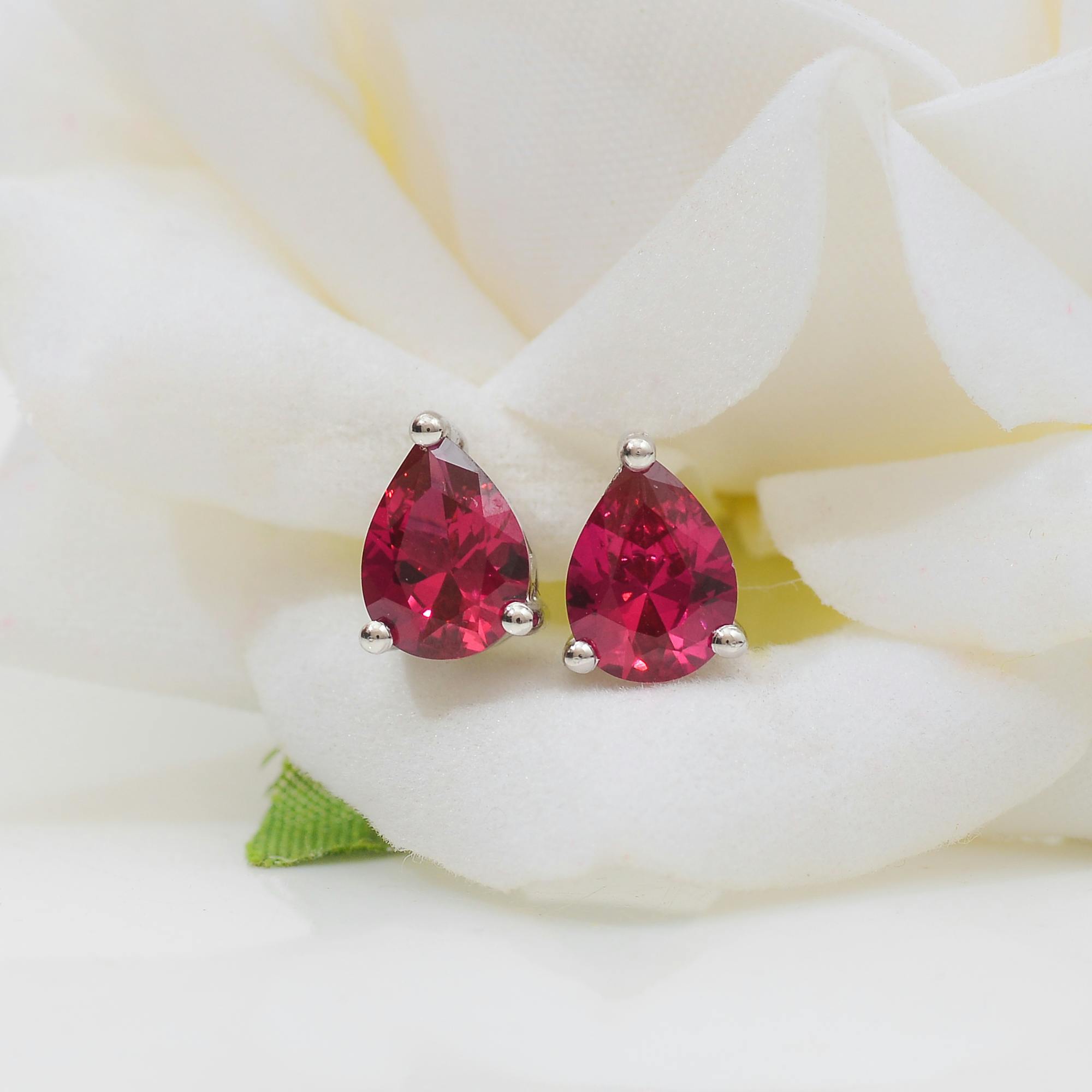
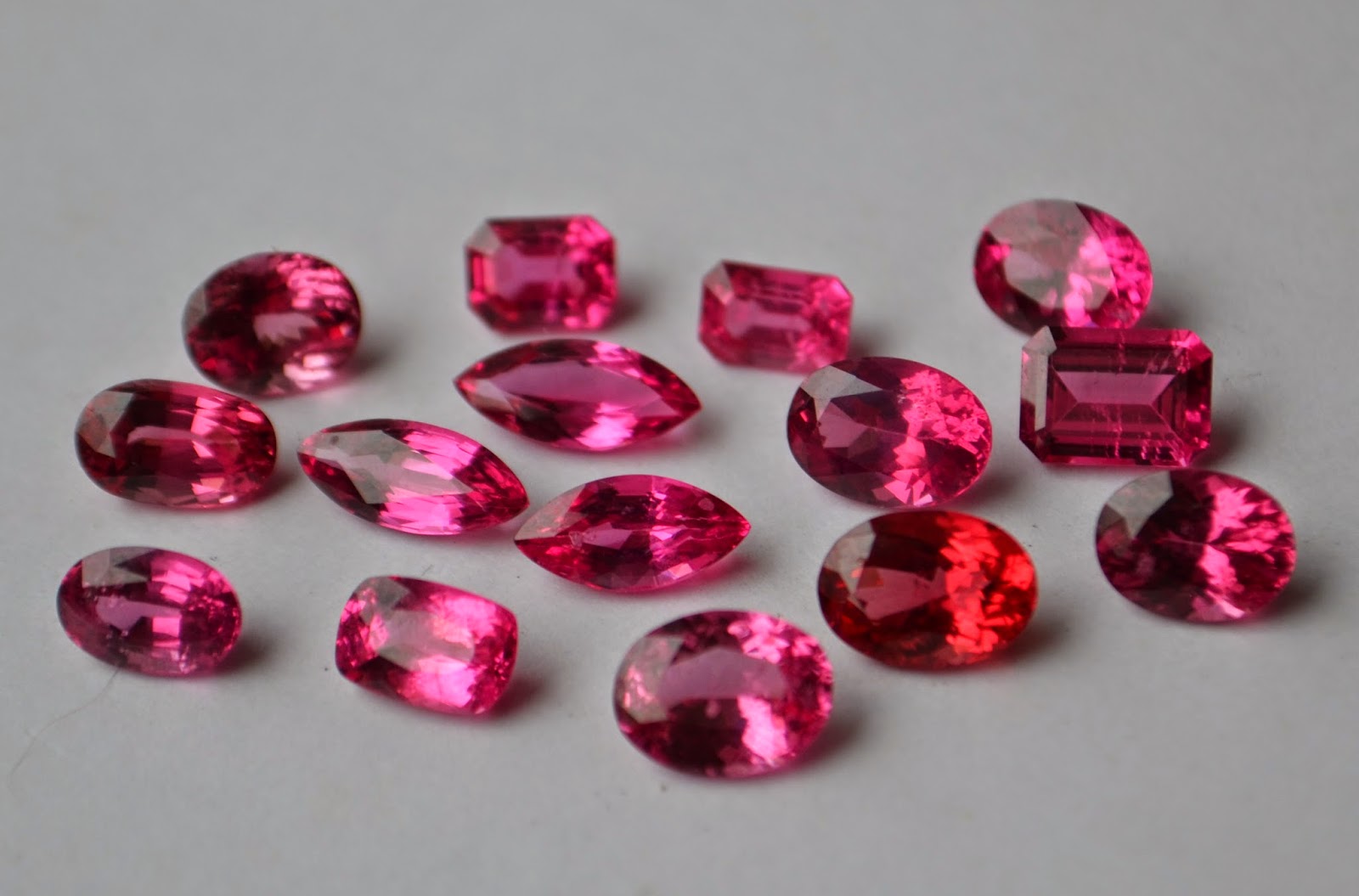
In the Mahenge plateau of Morogoro region — the same region I call home — lies one of the most remarkable gemstone deposits in the world. Mahenge Spinel, particularly the neon hot-pink variety, is considered by many collectors to be the most intensely saturated pink gemstone on earth.
What makes Mahenge Spinel exceptional is a combination of chemical composition and geological history unique to this location. The stones contain trace amounts of chromium, which is responsible for the vivid red-pink hue, combined with a naturally high refractive index that creates extraordinary brilliance.
The finest Mahenge Spinels display what gem dealers call "neon" saturation — a fluorescent-like intensity that makes the stone appear to glow from within under natural daylight. This characteristic is most pronounced in stones of Mozambican and Mahenge origin, but Mahenge examples are widely regarded as the finest.
For collectors and investors, Mahenge Spinel offers something rare: a gemstone with clear provenance in a documented region, a specific colour profile that experts can verify, and a growing international collector base — particularly in Japan and the United States — that is driving premium prices for top-quality material.
Our Spinel is sourced directly through verified Mahenge dealers in our Arusha network, with documentation confirming origin.
 Field Notes · Mererani
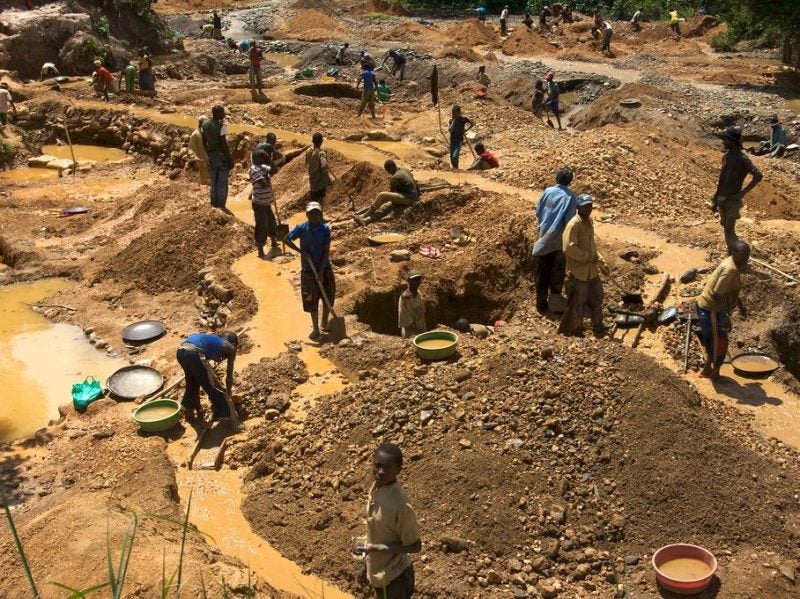
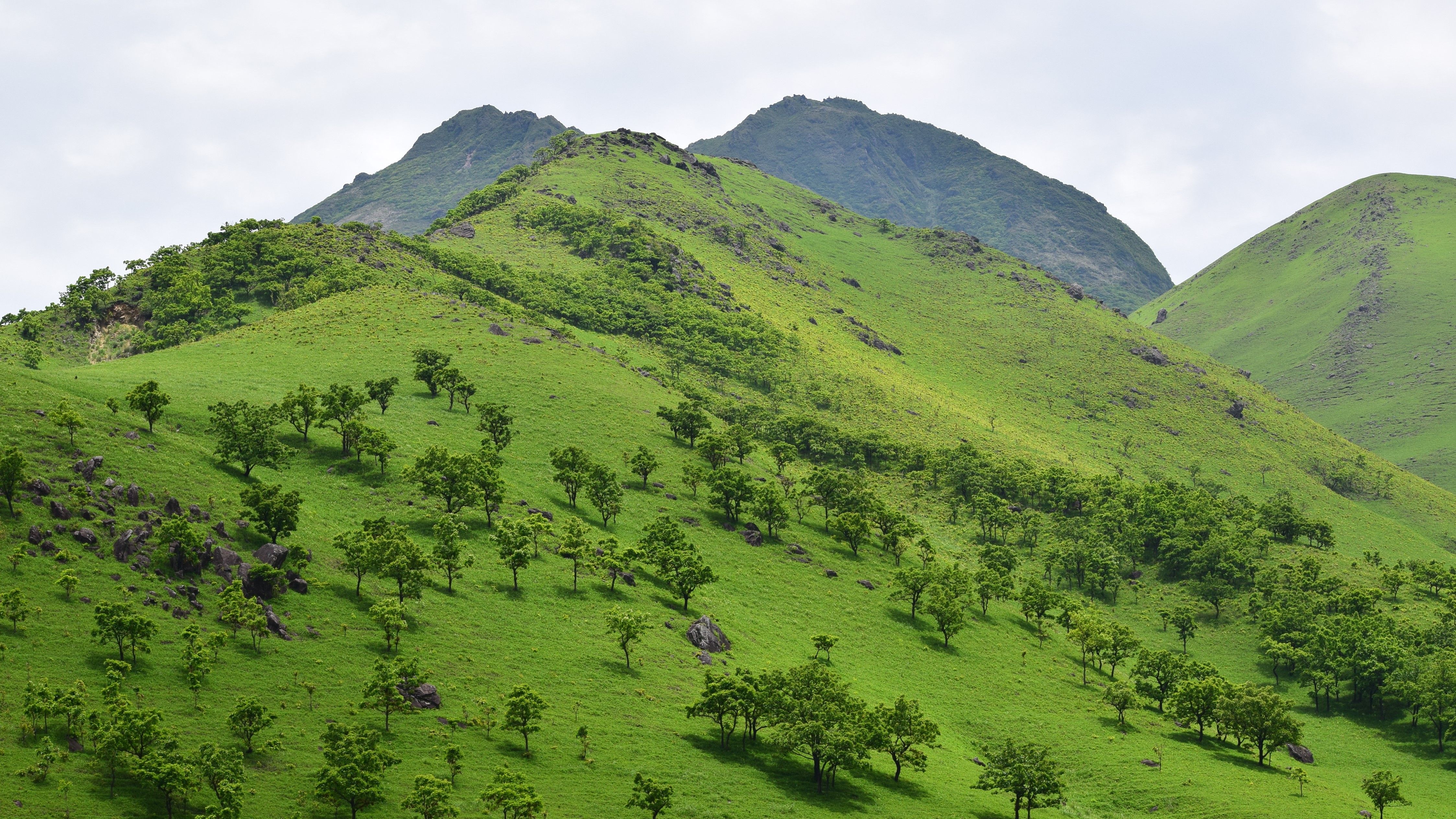
The Mererani Hills rise gently from the dry plains near the town of Arusha, in the shadow of Kilimanjaro. From a distance, they look unremarkable — low rolling ridges of red-brown earth. But beneath them lies the only place on earth where Tanzanite forms.
The mining area is divided into four blocks — A, B, C, and D — each with different ownership and operational structures. Blocks A and C are run by large commercial operators including TanzaniteOne. Blocks B and D are primarily artisanal mining zones, where small teams of miners work individual claims, often by hand.
When I visit Mererani, what strikes me most is the human story. Thousands of miners, their families, the supporting communities — all have organised their lives around a deposit of coloured mineral that occurs nowhere else on earth. The stone they extract might travel to Antwerp, Bangkok, New York, or Tokyo before it adorns someone's finger.
What I try to do with Luminara Gems is keep that human connection visible. When you buy a stone through us, you receive documentation of its origin — the region, the legal export record, and in many cases the blockchain-verified provenance secured through Sanaa Chains. The stone you hold has a story, and that story matters.